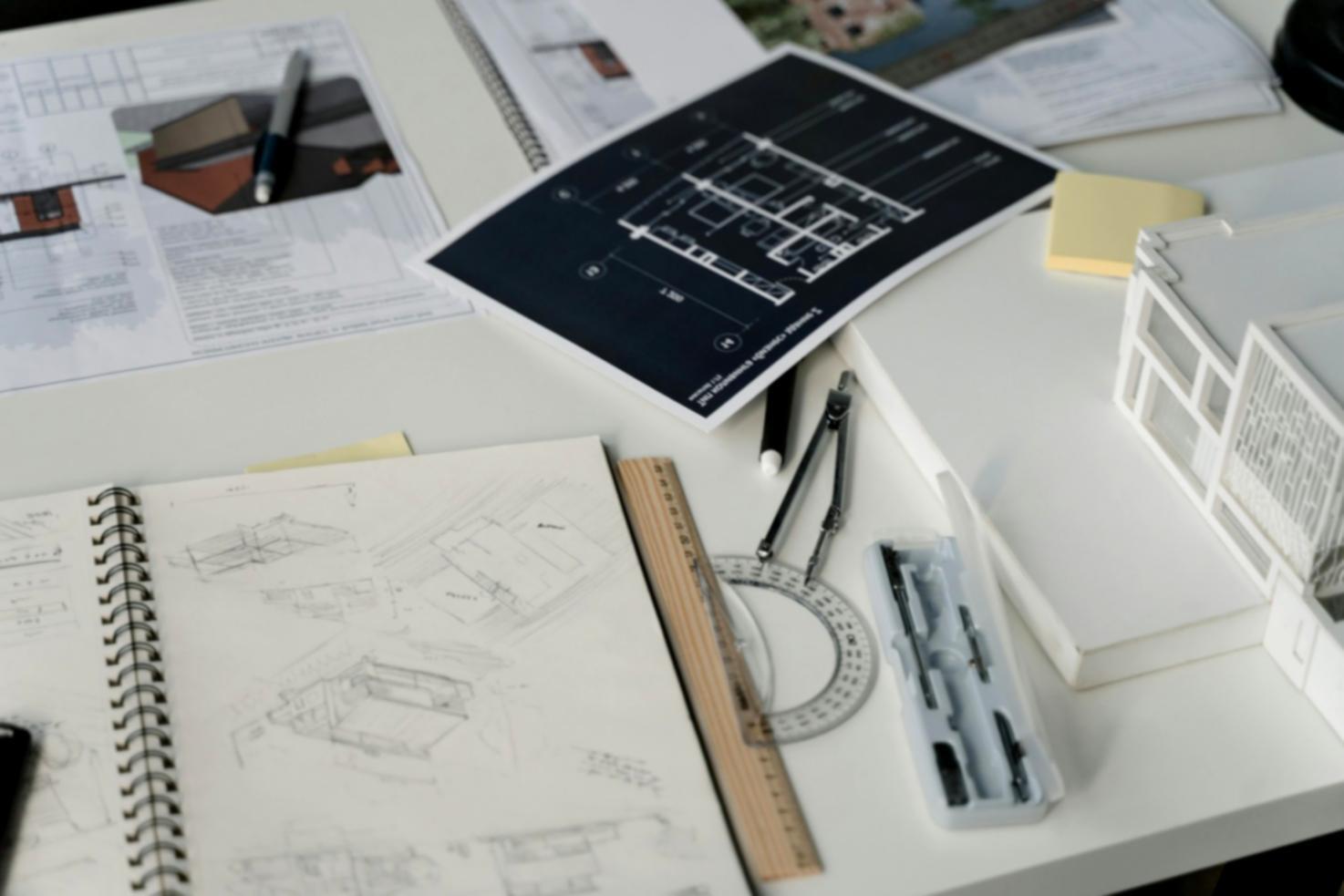
What we cover at Bramen Uksal
Structured learning across drawing, composition, and light — built for people who want to understand illustration from the ground up.
Three core areas of study
Each area addresses a distinct set of skills that illustration work actually depends on.
Drawing Foundations
Line quality and proportion form the base of everything. Getting these right early saves a lot of corrective work later.
- Confident line construction
- Proportion and scale observation
- Basic geometric form studies
- Gesture and contour exercises
Composition and Layout
Knowing where to place things — and why — changes how clearly an illustration communicates its subject.
- Framing and negative space
- Visual weight and balance
- Focal point placement
- Thumbnail planning practice
Light and Rendering
Tonal values and shadow behaviour give flat drawings a sense of volume. This section deals with how light works on form.
- Value scales and tonal range
- Cast and form shadow logic
- Light source consistency
- Rendering from observation
How the learning is structured
Each step feeds directly into the next — the sequence is intentional, not arbitrary.
Choose your entry point
Start where your current skill level actually is, not where you think you should be.
Follow lessons in order
Topics are sequenced so each one prepares you for the next. Jumping ahead creates gaps.
Complete the exercises
Reading about drawing is not the same as doing it. The exercises are the actual learning.
Review and continue
Compare your work against the reference examples, note what to adjust, then move on.
Real material, worked through honestly
Illustration takes time. There are no shortcuts past the fundamentals — but understanding them clearly does make the practice more efficient and less frustrating.
The content here has been built around the problems that actually slow learners down — not theoretical ideals about what illustration should be.
Read the blog